
What we observe in organizations
Robustness, performance and how organizations adapt to an operating context that has changed for good: our observations, with no lessons to teach.
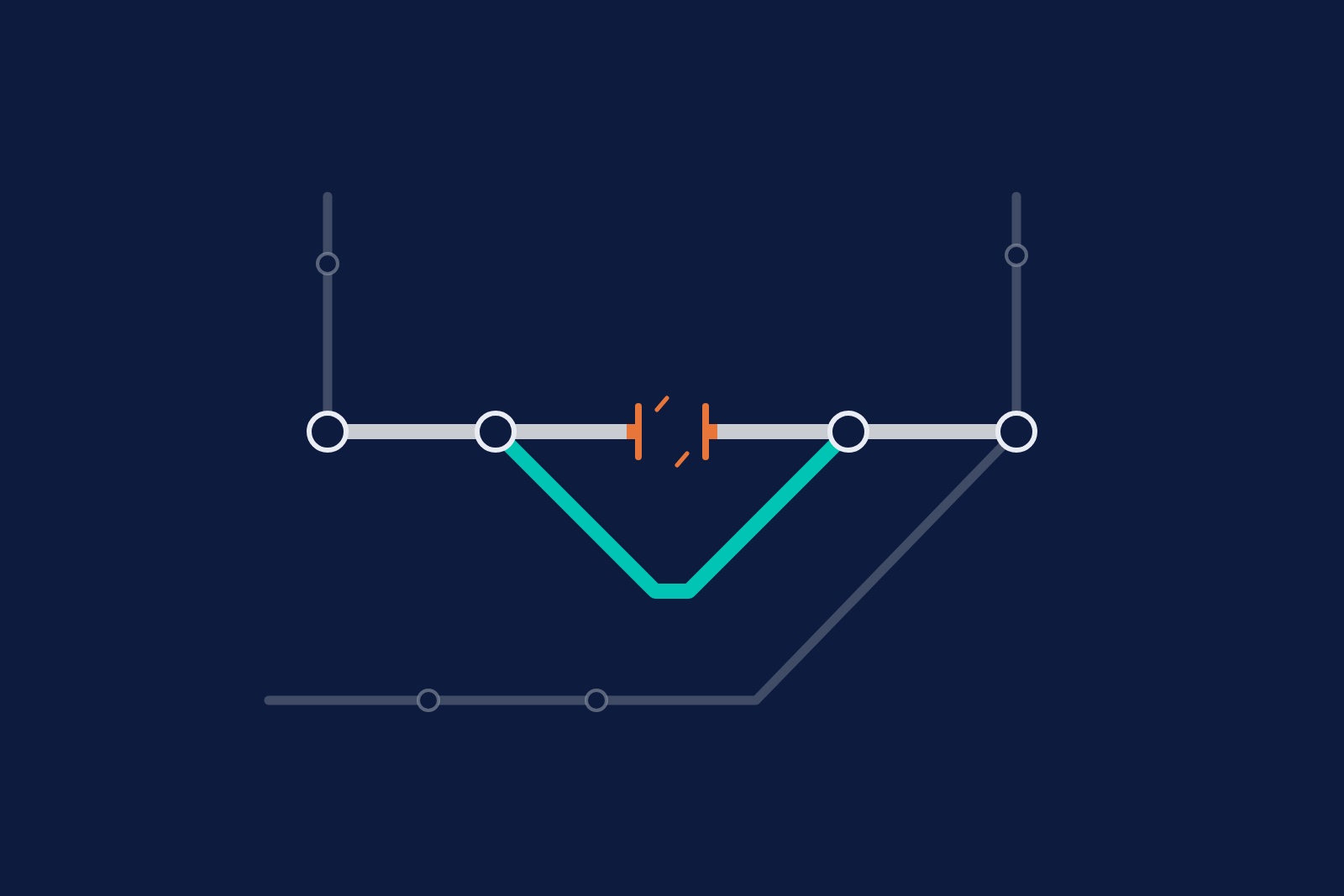
When everything stops, the other route
A global Outlook and Teams outage: a uniform system has a common weak point. What the outage teaches us, and why to spot your fragilities while things are calm.
Read the article →
A single part, and everything stops
Hacked refrigeration, PHP flaws, hospitals at a standstill: three shocks of fall 2026, one mechanism. What they say about fragilities, and a fifteen-minute exercise.
Read the article →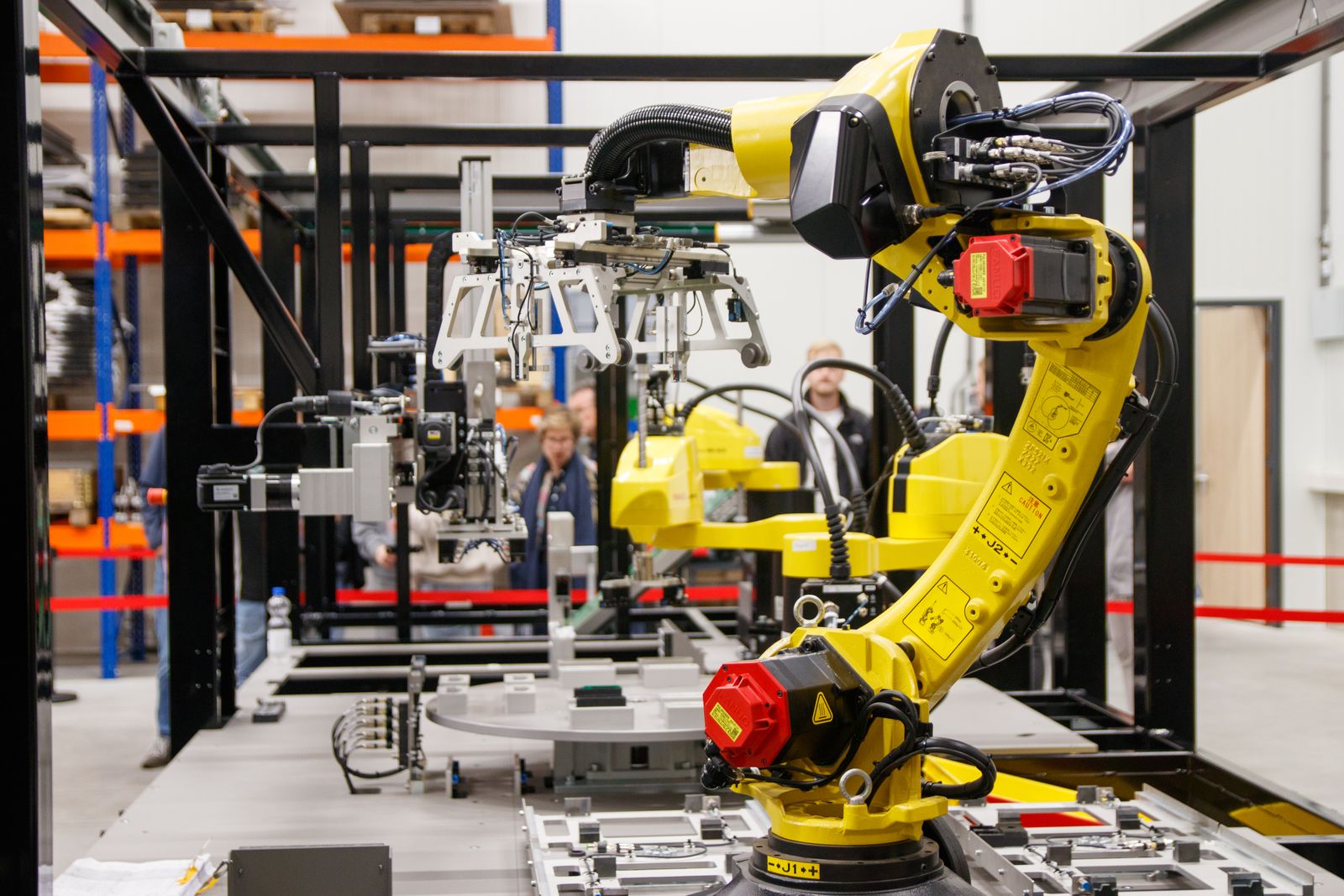
Innovating to last
Innovation drives growth, as the Grande Enquête 2026 by the Conseil de l'innovation du Québec shows. But it can also create dependencies. Five questions.
Read the article →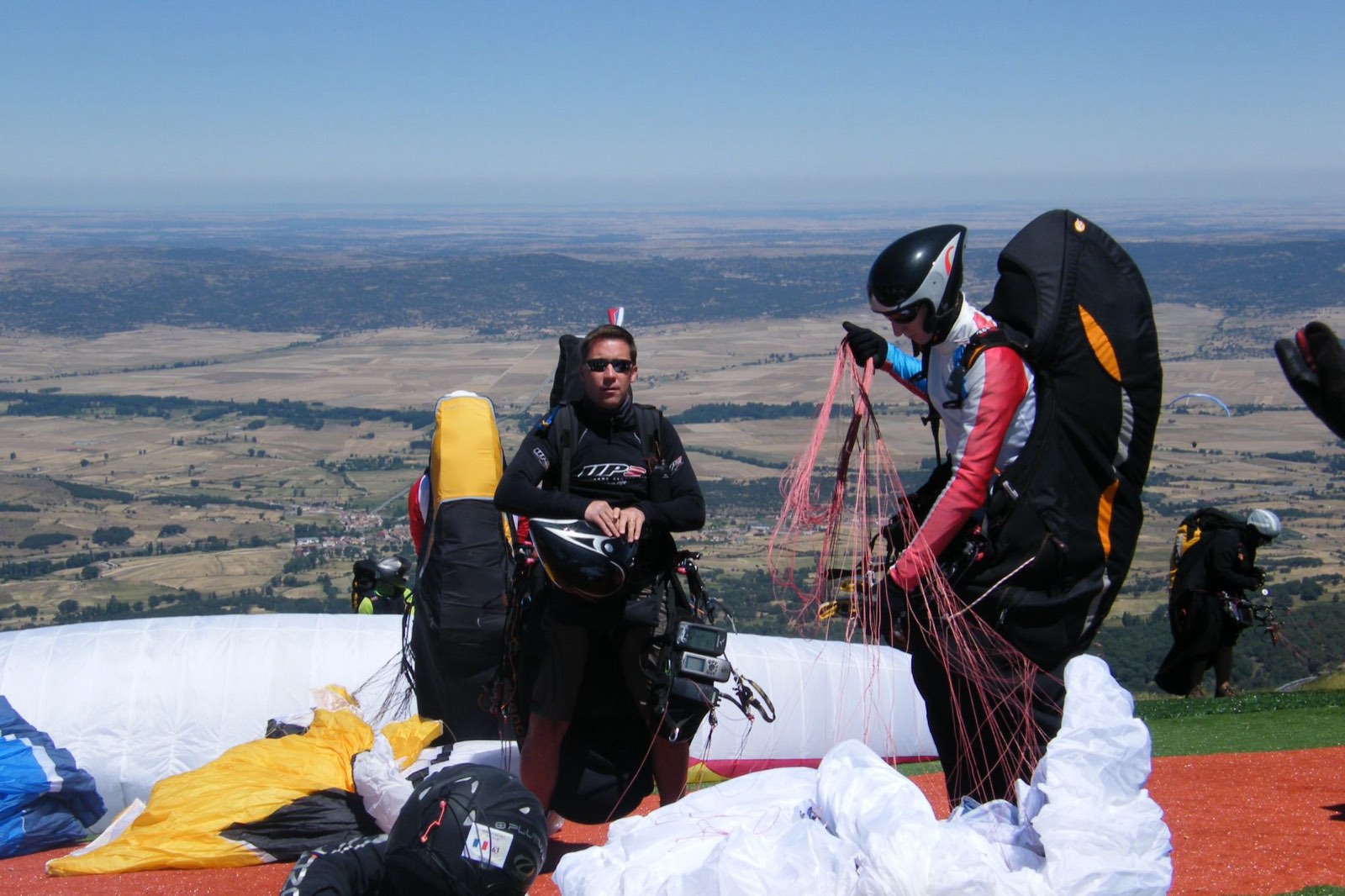
Competitors: running together, not against each other
The French word for competitor, concurrent, comes from the Latin concurrere: to run together. What paragliding competitions taught me about those we call competitors.
Read the article →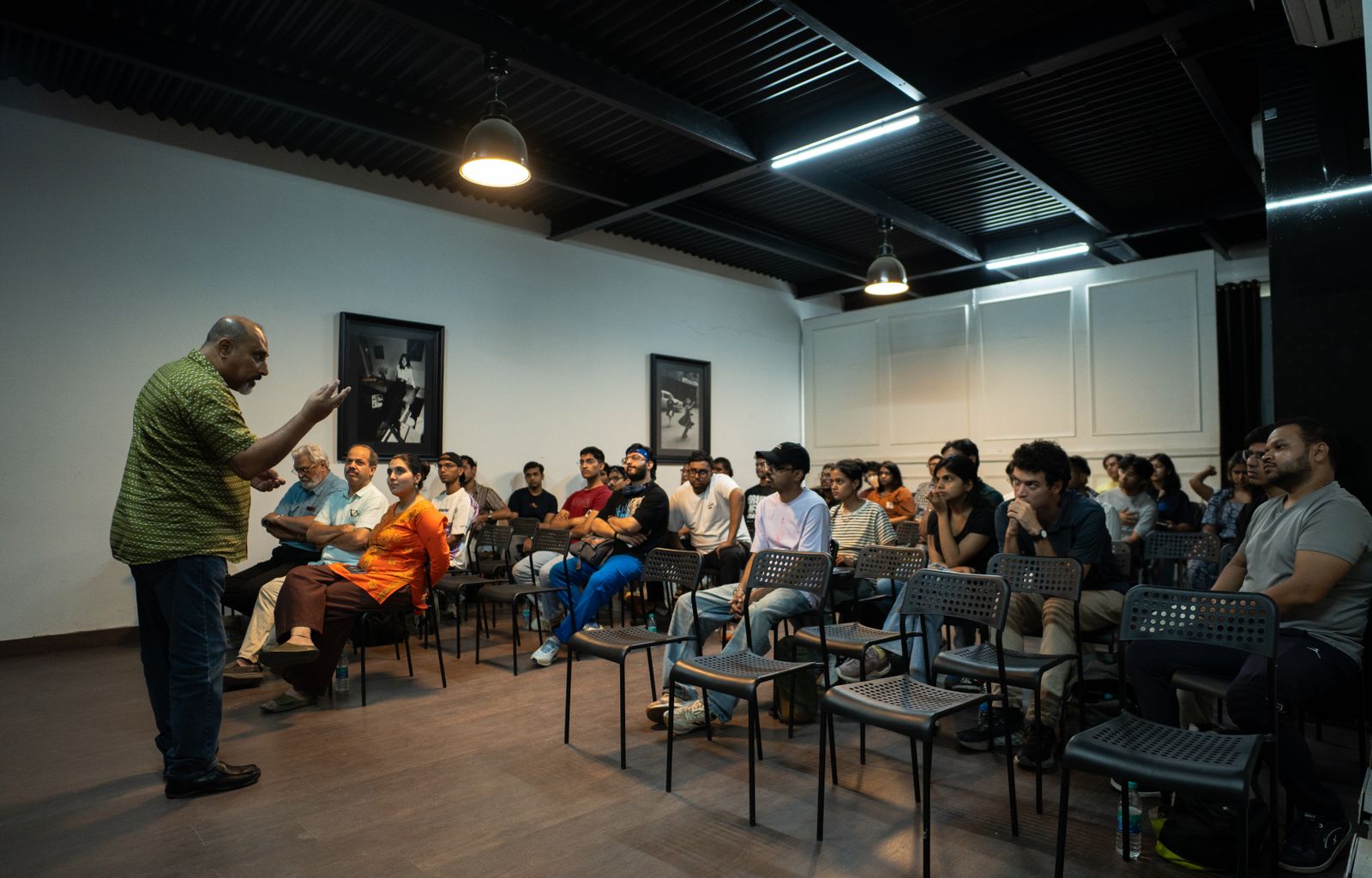
What the room in Sherbrooke taught us
A live test in Sherbrooke: 6 organizations out of 14 face a course more demanding than their preparation. What the Progrès morning taught us.
Read the article →
Critical independence: a dependency stays invisible until it breaks
A customer at 40%, a single supplier, funding on which everything depends: spot your vital dependencies, put a figure on them and prepare a plan B.
Read the article →
The key person: what is critical deserves a plan B
A developer who made a point of staying replaceable, and what it says about our organizations: why critical knowledge deserves a plan B.
Read the article →
Are your teams running in the red?
In business, dropping out has another name: resignation. The signs of a pace that no longer fits the course, and why robustness is endurance.
Read the article →
Starting point: the terrain has changed
In recent years, conversations with leaders have changed in tone. What we take from them: performance drives growth, robustness makes it last.
Read the article →