
Starting point: the terrain has changed
In recent years, conversations with leaders have changed in tone. What we take from them: performance drives growth, robustness makes it last.
 Robert Vandenbegine · 2 min read
- Published on
For years, Julien Galtier and I have been supporting organizations. And in recent years, the conversations have changed in tone.
Beyond the crises people talk about, what we mostly sense is unease, diffuse but very present. Leaders whose numbers look good and who still sleep badly. Teams running ever faster and wearing themselves out, despite new tools being rolled out. Organizations that are solid on paper and discover one day that a single customer, a single person or a single supplier was holding everything together.
No one lacks talent or will. It's the terrain that has changed.
In six years, we have gone through a pandemic, broken supply chains, the war in Ukraine, inflation, labor shortages, U.S. tariffs and now the Strait of Hormuz crisis. Some call it a BANI world: brittle, anxious, nonlinear, incomprehensible. Whatever the name: jolts are no longer the exception, they have become the rule.
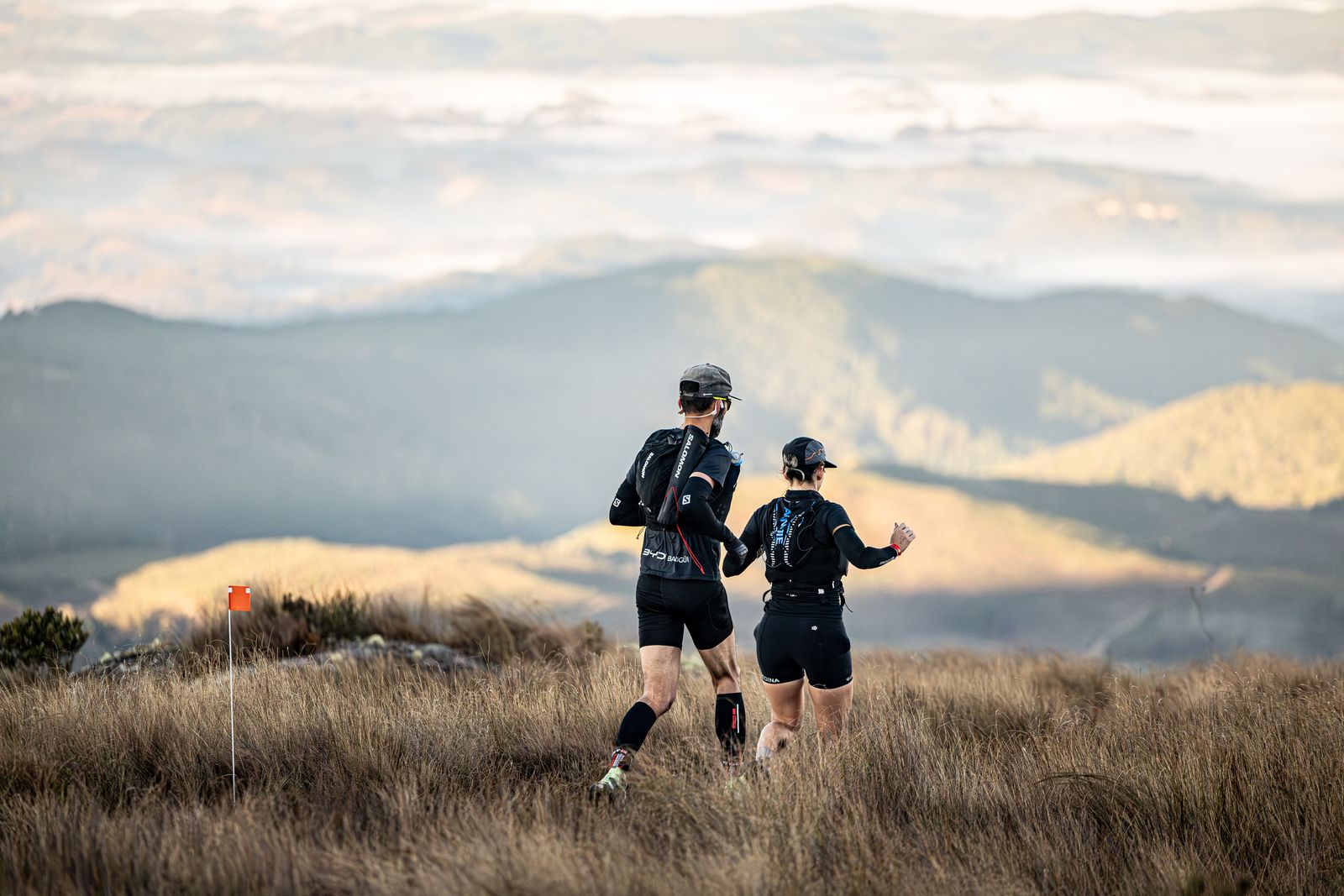
Yet many organizations are still tuned for terrain they no longer run on: optimize everything, stretch everything, keep no margin. On a race track, that's the right strategy. On an unpredictable road, much less so. On a chaotic trail, it becomes risky.
We have no lessons to teach. We too spent a long time chasing performance alone: in our respective companies, we were sprinters, our noses on the third decimal place.
What we've taken from it fits in one sentence: performance drives growth, robustness makes it last. Both matter; the whole challenge is to find the right balance for your own terrain.
That's what led us to launch Rango today, together: a process and tools to help organizations see what terrain they are really running on, spot what makes them fragile and adapt their way of operating, to get through crises and keep developing over the long term.
In the coming weeks, I'll share on this blog and on LinkedIn what we observe among the organizations we work with.
This unease: do you recognize it around you? Write to us, we read everything.
This article is also published on LinkedIn (in French), where the discussion continues.