When everything stops, the other route
A global Outlook and Teams outage: a uniform system has a common weak point. What the outage teaches us, and why to spot your fragilities while things are calm.
 Robert Vandenbegine · 3 min read
- Published on
- Lever discussed
- 6 · Constructive sub-optimality
On November 11, I wrote about three shocks this fall: hacked refrigeration systems, flaws in PHP, a hospital brought to a standstill. A single part, and everything stops. The next day, the news supplied the sequel.
On November 12, 2026, Outlook and Teams stopped responding in 74 countries and territories. Not a cyberattack, according to Microsoft: a problem in its own infrastructure. Millions of mailboxes went silent for hours (franceinfo; Ouest-France).
A common weak point
No one will blame an organization for choosing Microsoft. One system for everything is simpler, cheaper, more efficient: that's optimization. But when everyone uses the same system, everyone goes down at the same time. A uniform whole doesn't have an isolated weak point: it has a common weak point.
The detour was the oldest tool
What struck me wasn't the outage. It was how some reacted. Euronext asked listed companies to call it by phone. Rail companies explained to their travelers how to retrieve their tickets other than by email.
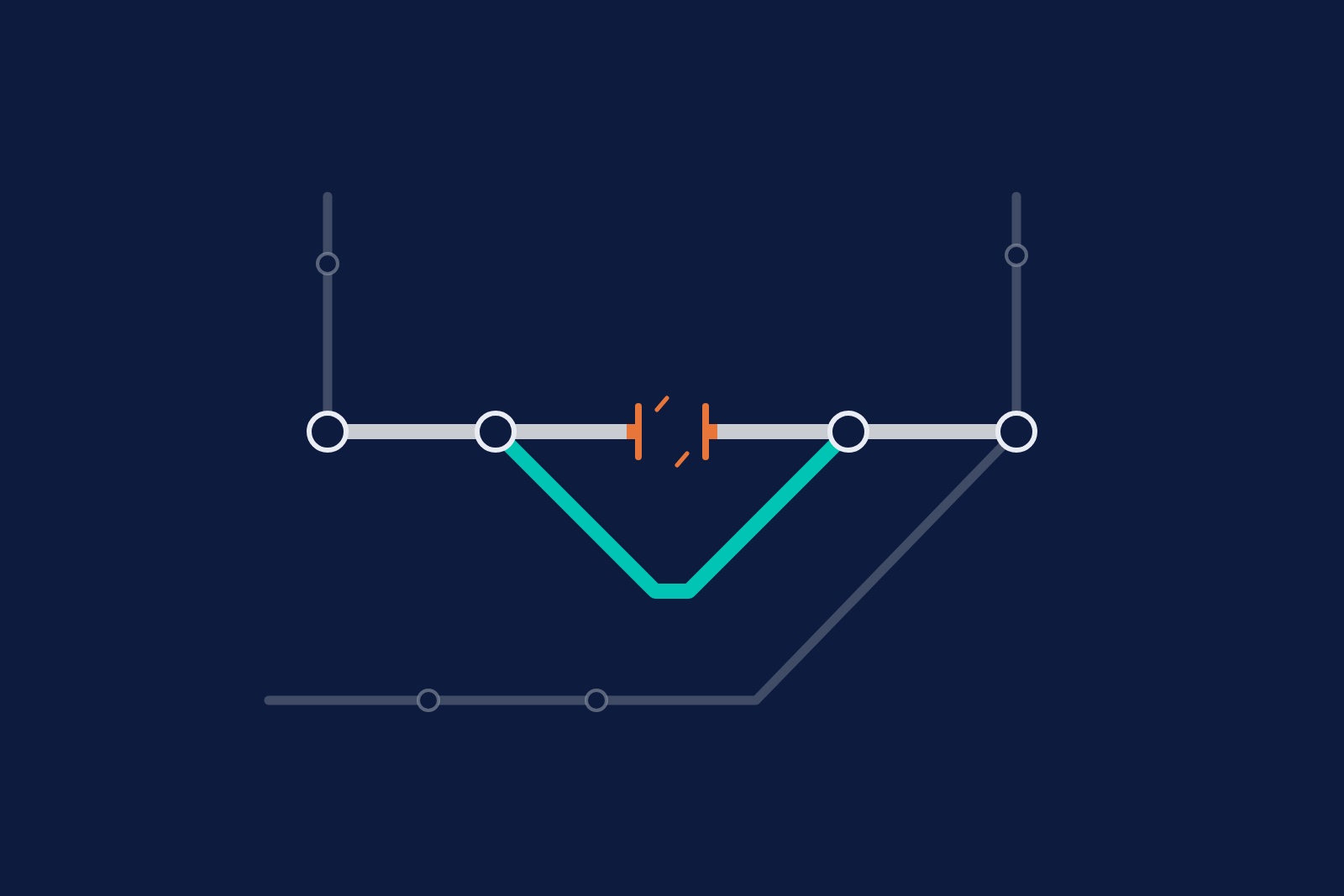
That day, the detour was often the oldest tool in the house. We have replaced more rustic means with far more powerful technologies; they are also more dependent on one another. Performance and antifragility don't always go together.
The right question
So the question isn't whether to leave Microsoft. It's much simpler. During the hours when nothing responds:
- how do your customers reach you?
- do your teams know whom to call?
- where are the phone numbers, when the address book is in Outlook?
Spotting your fragilities while things are calm
Don't wait for the next shock to discover your fragilities. They can be spotted while things are calm, when all is well: it's even the only time you have time to act. In one month: hacked refrigeration systems, flaws in PHP, a Belgian hospital at a standstill, and now Microsoft. The shocks are coming closer together, and they hit an economy already under strain. This is no longer excessive caution: it's reasonable management.
In practice, with Rango
This is how we help organizations last in our world, which is facing major disruptions. It all starts with a workshop with your team: together, you draw up the Portrait of your organization, with questions specific to your sector, and we add your figures. Perspectives cross, and the fragilities that matter emerge, often where no one expected them. Over a few meetings, you turn this into a short, actionable plan: for each fragility you retain, a first step, with a name and a date. And when a shock hits, we draw the lessons for the next one.
And you: on November 12, did you have another route planned, or did you find one along the way? Write to us, we read everything.
This article is also published on LinkedIn (in French), where the discussion continues.